Last updated: November 2026
Shopify is the best ecommerce platform for most small businesses thanks to its easy setup, fast checkout and huge app ecosystem. WooCommerce is best if you already use WordPress and want full control, BigCommerce is best for larger catalogs and B2B selling, Wix and Squarespace are best for small, design-led stores, and Square Online is best for local shops and restaurants that also sell in person.
Key takeaways
- The monthly plan is only part of the cost. Add payment processing (usually around 2.9% + 30¢ per online card sale), apps, themes and any third-party transaction fees.
- Shopify charges an extra fee if you use an outside payment gateway; using Shopify Payments avoids it.
- Choose a platform you will not outgrow in the next 18–24 months. Migrating a large catalog later is painful.
- Check SEO basics: editable titles and descriptions, clean URLs, fast mobile pages and product schema.
Ecommerce Platforms Compared
| Platform | Best for | Starting price (approx.) | Extra transaction fee |
|---|---|---|---|
| Shopify | Most online stores; easiest to scale | Basic $39/mo ($29/mo billed annually); Starter $5/mo for social selling | None with Shopify Payments; 2% (Basic), 1% (Grow), 0.6% (Advanced) with other gateways |
| WooCommerce | WordPress sites; full ownership and SEO control | Free plugin + hosting, theme and extensions | None from WooCommerce |
| BigCommerce | Larger catalogs, B2B, multichannel selling | Core about $29/mo (annual), with a sales (GMV) cap | Fee applies on some plans when using an outside payment provider |
| Wix | Small stores wanting the easiest drag-and-drop design | Paid ecommerce plan required | None |
| Squarespace | Design-led brands, creators and portfolios | From about $33–$36/mo for commerce plans | Varies by plan |
| Square Online | Local retailers and restaurants using Square POS | Free plan available; paid plans add features | Standard processing fees |
| Adobe Commerce | Enterprises with developer teams | Custom pricing (Magento Open Source is free) | None |
Pricing checked November 2026. Ecommerce plans, payment rates and fee rules change often and vary by country, so verify on each platform’s pricing page before you commit.
What Selling Online Really Costs
A store on Shopify Basic paying annually costs about $29 a month in subscription. If it sells $5,000 a month online through Shopify Payments at 2.9% + 30¢ per order (about 100 orders of $50), processing adds roughly $175, for a total of about $204 before apps and themes. If the same store used an outside gateway, Shopify’s 2% fee would add another $100 a month on top of that gateway’s own fees.
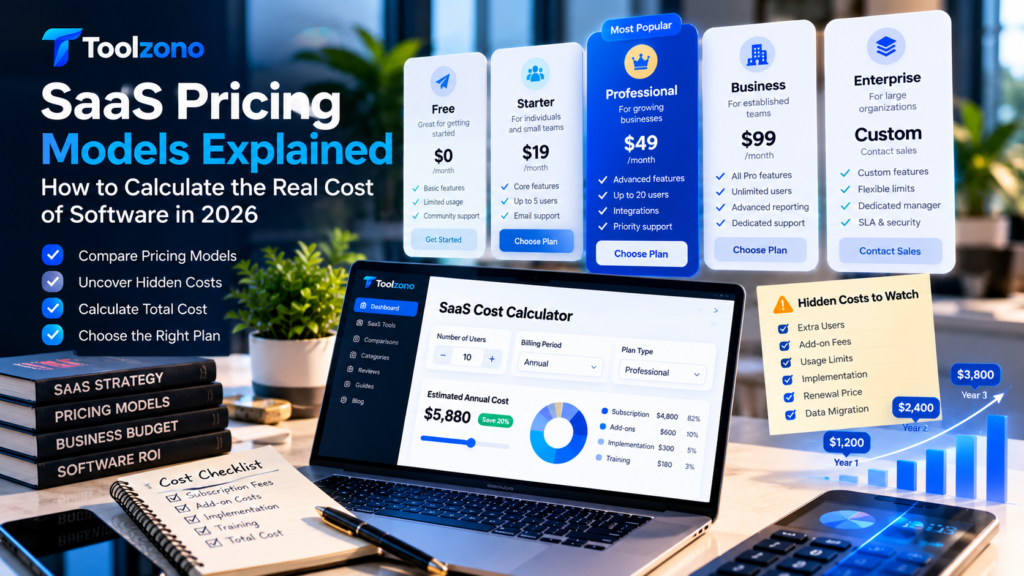
Work out your full monthly and yearly budget, including apps, with our free SaaS cost calculator.
1. Shopify: Best Overall Ecommerce Platform
Shopify handles hosting, security, checkout, payments, shipping labels, inventory and taxes in one place, with thousands of apps and themes. Its Starter plan suits social and link-in-bio selling, Basic suits new stores, and Grow and Advanced add staff accounts, better reports and lower card rates. Shopify Plus serves high-volume brands.
Pros: fastest to launch, excellent checkout conversion, biggest app ecosystem.
Cons: app costs add up; extra fee when not using Shopify Payments.
2. WooCommerce: Best for WordPress and Full Control
WooCommerce turns any WordPress site into a store and is free to install. You own your data, can customize everything and benefit from WordPress’s strong content and SEO capabilities. You are responsible for hosting, updates, security and backups.
Pros: no platform fees, unlimited flexibility, ideal for content-driven brands.
Cons: more technical; costs for hosting and premium extensions.
3. BigCommerce: Best for Large Catalogs and B2B
BigCommerce includes more built-in features than most rivals, such as multi-currency, advanced product options, B2B tools and native multichannel selling. Its 2026 plans introduced sales thresholds per tier, so check where your revenue falls.
4. Wix: Best Drag-and-Drop Store Builder
Wix offers the most flexible visual editor plus store features, bookings and marketing tools. It suits small catalogs and service businesses that sell a few products online. You need a paid plan to accept payments.
5. Squarespace: Best for Design-Led Brands
Squarespace’s polished templates make products look premium with little effort, and its commerce plans add subscriptions, digital products and member areas. It is best for smaller catalogs.
6. Square Online: Best for Local Businesses
Square Online syncs inventory with Square POS, supports pickup and local delivery, and offers a free plan, making it ideal for cafes, restaurants and shops that sell both in person and online.
7. Adobe Commerce: Best for Enterprise
Adobe Commerce (built on Magento) offers deep customization, complex B2B features and scale for large brands with development teams and budgets to match.
How to Choose an Ecommerce Platform
- Estimate monthly sales and order count to compare total fees, not just plan prices.
- List must-have features: subscriptions, B2B pricing, multi-currency, POS, digital products or marketplaces.
- Check payment options available in your country and whether extra platform fees apply.
- Review SEO and speed: editable meta tags, clean URLs, product schema and Core Web Vitals.
- Plan marketing: email, social and ads integrations. Tag campaign links with our UTM link builder to see which channels drive sales.
Need a site without a full store? Compare the best website builders. Growing your store? Read our guides to the best email marketing software, social media tools, help desk software and accounting software.
Frequently Asked Questions
What is the best ecommerce platform for beginners?
Shopify is the easiest full-featured platform for beginners. Wix and Squarespace are also simple if you only sell a few products.
Which ecommerce platform has no transaction fees?
WooCommerce, Wix and Square Online do not add their own transaction fees, and Shopify removes its extra fee when you use Shopify Payments. You still pay standard card processing fees on every platform.
Is Shopify or WooCommerce better?
Shopify is better if you want an all-in-one hosted store with minimal technical work. WooCommerce is better if you already run WordPress and want full ownership and flexibility.
How much does it cost to start an online store?
Many small stores start for roughly $30–$60 per month in platform and app costs, plus payment processing fees on each sale and a domain name.